Software
Custom CRM Development: When Standard CRM Stops Fitting
Custom CRM development makes sense when your records, pricing, permissions, or fulfillment flow cannot fit a standard CRM without constant manual work. The goal is not to copy Salesforce. It is to build the smallest system that reflects how your team actually sells and serves customers.
By Umar HayatChief Technology Officer, Algo Vortex
Updated
Key takeaways
Build for records vendors cannot model
Custom CRM work starts with unusual records, ownership rules, and actions. A different-looking pipeline board is not enough reason to build.
Build for the process, not the logo
If you want Salesforce with a different coat of paint, buy Salesforce. Custom is for objects a vendor will not give you.
Data model first
Records, ownership, and audit beat a pretty board. A Kanban with no history is a toy.
Honest proof is adjacent, not a rip-and-replace
RelayHub, Loom, QuizQuest. Inbox, customers, roles. No invented Salesforce migration.
When do you need a custom CRM instead of a vendor?
You need custom CRM development when standard CRM objects cannot represent how your business sells, fulfills, or supports customers. Unusual pricing, multi-party deals, field-level access, or a customer-facing workflow can justify a build. If you only need contacts, deals, and basic reporting, stay with a proven CRM.
You do not need a custom CRM to get a pipeline board. Plenty of teams should stay on a seat, export cleanly, and integrate a portal. Custom software vs off-the-shelf is the wider fork. This page is the CRM-shaped slice.
Algo Vortex has not replaced Salesforce for a client. Closest shipped work is CRM-shaped: RelayHub for accounts and inbox, Loom & Luxe for customers and payments, QuizQuest for accounts and roles. That is the proof. Treat anything else as a pitch.
What belongs in a custom CRM data model?
Start with the records that are true in your business: accounts, contacts, deals or jobs, activities, and the objects a generic CRM does not have. Ownership and sharing rules come next. If two teams must see different slices of the same account, that is a product requirement, not a later toggle.
Audit belongs in the first version if regulated work or money touches the record. Who changed the stage, who sent the email, who refunded. A board without history will fail the first dispute.
Integrations are part of the model, not a week of glue. Email, calendar, payments, support, identity. Each one implies fields you must store and events you must not lose. Count them in discovery. Cost bands for a CRM-shaped first version live on custom software development cost.
What does a first custom CRM version include?
A first version that people will use needs login, the core records, a pipeline or work board, permissions, search, and one or two integrations that already eat hours. Reporting can be thin if the exports are honest. A dashboard of vanity charts with no source of truth is worse than a CSV.
Admin tools so your team can add a field or a stage without a deploy for every request. Not every CRM needs a full metadata engine on day one. It does need a path that is not a hotfix to production.
Delivery is the same discipline as other custom software: a slice users can touch, then modules. How to build custom software is the sequence.
Who should build a custom CRM?
A software team that has shipped products with auth, roles, and integrations, not a lab that only demos boards. Ask for production screens and who operates the system now. How to choose a software development company is the filter.
If you are in the US, UK, or Gulf and the team is in Lahore, plan overlap. The timezone overlap planner shows the shared block. Async hours move implementation. Workshops need the named lead on the call.
Send the current pipeline, the objects that do not fit, and the integrations on contact. The commercial path is custom software development.
How should pipeline stages and permissions work?
Stages should match how work actually moves, not a generic lead-qualified-won ladder copied from a vendor demo. If your motion has a site visit, a credit check, or a two-party approval, those are stages. Fake stages create fake forecasts.
Permissions split by team, record type, and sometimes by field. Sales may see pipeline value. Ops may see fulfillment notes. Finance may see discounts. If everyone sees everything, people stop putting the truth in the record. If nobody can share an account, the CRM becomes five spreadsheets again.
Activity is part of the model: emails, calls, notes, and system events from integrations. A pipeline with no activity log is a slide. Store enough to reconstruct a dispute. Do not store a second copy of every mailbox unless you have a reason and a retention rule.
Next step
Does your CRM fight the real process?
Send the records, access rules, and integrations that do not fit. We will tell you whether a custom CRM, hybrid, or vendor setup makes sense.
Talk to Algo VortexRelated in this cluster
- Custom CRM vs SalesforceSalesforce is a strong choice when its objects, ecosystem, and hiring market fit your sales operation. A custom CRM becomes worth considering when the business runs on records or permissions the platform cannot model cleanly. Compare the whole operating burden, not a license line alone.
- Custom software developmentCustom software earns its keep when your workflow does not fit a vendor tool, or when that workflow is the product customers buy. Here is how to decide, what a serious engagement includes, and how to ship something your team can still run after launch.
- Custom software development costCustom software cost follows scope, integrations, data, and the team needed to keep it running. A useful estimate separates the first production release from hosting, maintenance, and later changes. This guide explains the cost drivers already hiding inside most briefs.
- Custom software vs off-the-shelfBuy software when a vendor already handles the job well. Build when the workflow itself sets your business apart or the workaround cost keeps climbing. Many teams need both: a proven product for standard work and a custom layer for the part that is uniquely theirs.
Related capabilities
Related case studies
Live products where this kind of work showed up in the build.
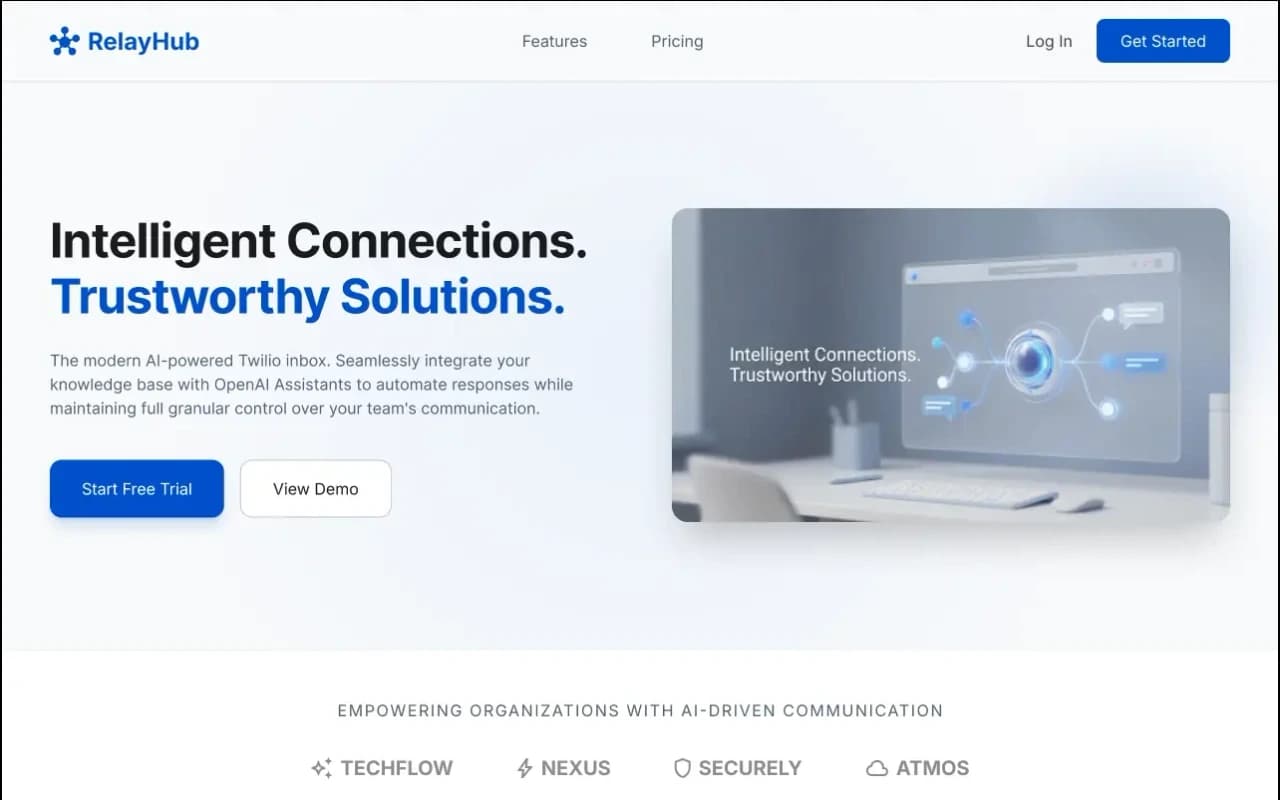
RelayHub AI communication portal case study
Twilio + OpenAI shared inbox
One triage view for Twilio phone and digital threads, with OpenAI drafts under admin prompts. Built for teams tired of rebuilding context across tools.

Loom & Luxe dress rental marketplace case study
Rentals, deposits, and return logistics
Editorial catalog with Stripe holds and automated return pickup. Lender dashboard keeps inventory and earnings honest for both sides.
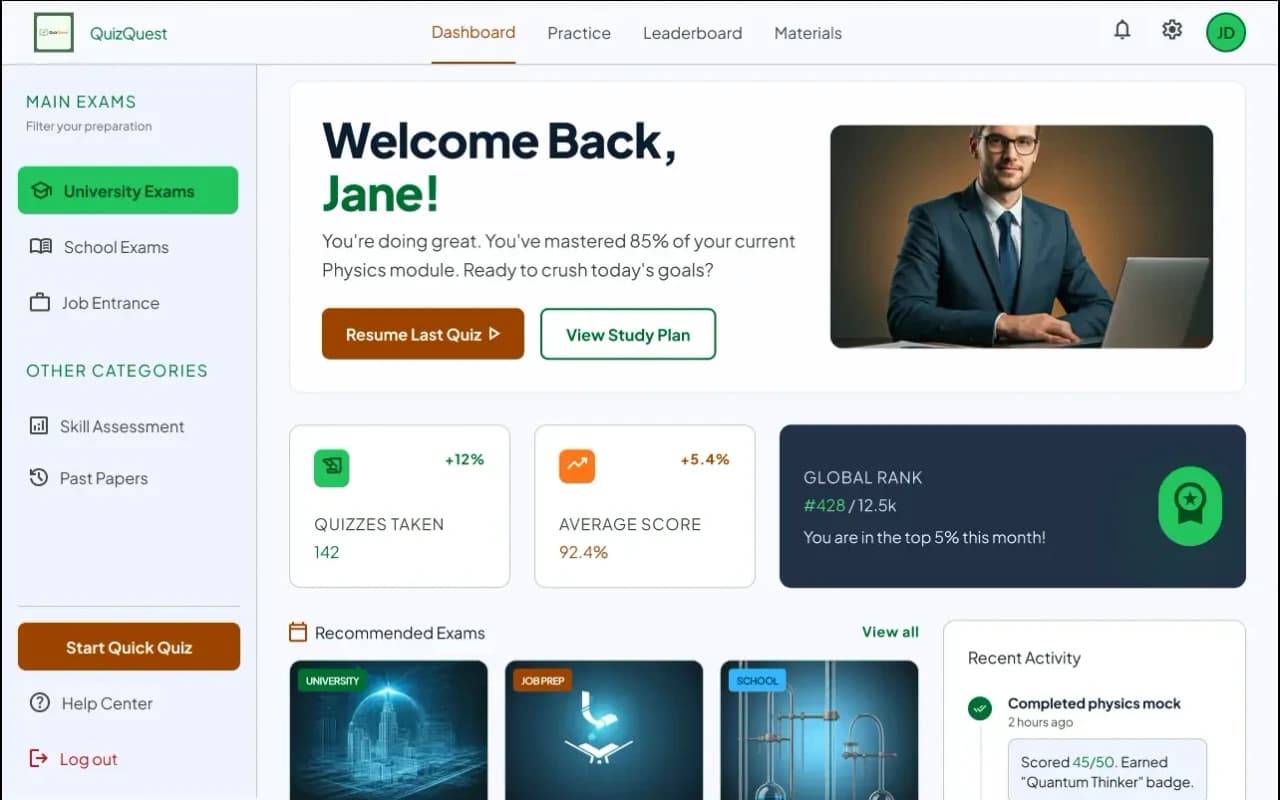
QuizQuest timed assessment platform case study
Timed quizzes + Question Creator
Timed MCQs with instant feedback, topic mastery profiles, and a Question Creator instructors can publish without waiting on engineering.
Questions
More on all insights, custom software, or contact Algo Vortex.