
Software
Custom CRM vs Salesforce: How to Decide
Salesforce is a strong choice when its objects, ecosystem, and hiring market fit your sales operation. A custom CRM becomes worth considering when the business runs on records or permissions the platform cannot model cleanly. Compare the whole operating burden, not a license line alone.
By Umar HayatChief Technology Officer, Algo Vortex
Updated
Key takeaways
Start with object fit
Standard accounts, contacts, and opportunities favor a vendor CRM. Business-specific records and access rules can point toward custom software.
No fake list prices
Salesforce and HubSpot publish their own pricing. We will not invent numbers. Build bands live on the cost article.
HubSpot is the lighter pole
Same decision, smaller surface. Simple inbound and a clean pipeline often belong there.
No rip-and-replace case study
RelayHub, Loom, QuizQuest are CRM-shaped. They are not a Salesforce migration story.
When is Salesforce the right CRM?
Salesforce is the right CRM when standard objects fit most of your sales process and you benefit from its ecosystem, administrators, and integrations. Consider a custom CRM when core business records or access rules remain awkward after sensible configuration. Rebuilding only for a nicer interface is rarely worth the disruption.
HubSpot sits on the lighter pole. Inbound, a simpler pipeline, marketing already in the same house. Same rule: if the objects fit, buy. If you are bending the tool every week, you are paying a custom tax without owning the result.
Custom is the right call when the records that matter do not exist as first-class objects, when permissions cannot map to their role model, or when the product you sell is the workflow itself. Custom CRM development covers the data model. This page is the fork.
Salesforce, HubSpot, and custom, by fit, not by invented prices
Lens
Best when
Salesforce
Platform and ecosystem matter
HubSpot
Simpler inbound pipeline
Custom CRM-shaped
Objects a vendor will not give you
Lens
You buy
Salesforce
Seats, editions, partners
HubSpot
Seats and hubs
Custom CRM-shaped
A build, then a run bill
Lens
Change
Salesforce
Their roadmap plus metadata
HubSpot
Their roadmap
Custom CRM-shaped
Your backlog
Lens
Hiring
Salesforce
Large admin and AE market
HubSpot
Easier to staff small teams
Custom CRM-shaped
Engineers who know your domain
Lens
Lock-in
Salesforce
High if automations are deep
HubSpot
Medium
Custom CRM-shaped
You own the schema. You own ops
Lens
Algo Vortex proof
Salesforce
None as a replacement
HubSpot
None as a replacement
Custom CRM-shaped
RelayHub, Loom, QuizQuest
| Lens | Salesforce | HubSpot | Custom CRM-shaped |
|---|---|---|---|
| Best when | Platform and ecosystem matter | Simpler inbound pipeline | Objects a vendor will not give you |
| You buy | Seats, editions, partners | Seats and hubs | A build, then a run bill |
| Change | Their roadmap plus metadata | Their roadmap | Your backlog |
| Hiring | Large admin and AE market | Easier to staff small teams | Engineers who know your domain |
| Lock-in | High if automations are deep | Medium | You own the schema. You own ops |
| Algo Vortex proof | None as a replacement | None as a replacement | RelayHub, Loom, QuizQuest |
How should you think about cost without Salesforce list prices?
Count seats, required editions, implementation partners, and the hours your staff spend on workarounds. That is the vendor bill. We will not publish a fake Salesforce or HubSpot price. Those vendors change editions. Cite them, not a blog.
On the custom side, use custom software development cost. A CRM-shaped first version is a band on that page, not a license. Then you pay to run it. Two bills, same as any custom system.
Over years, custom can win if seat count is high and the process is non-standard. It can lose if you still need the ecosystem and you will hire Salesforce admins anyway. Fit first. Spreadsheet second.
One cost most comparisons miss entirely: the hours your own team spends maintaining workarounds. Someone is exporting to a spreadsheet every Monday. Someone rebuilt a pricing calculation in a formula field that only one person understands. Someone is manually reconciling two objects that should have been one. Put a salary number on those hours over a year and the comparison often looks different than it did on the licence line alone.
What signals say it is time to consider custom?
The clearest signal is that the thing you sell does not exist as an object. If your business runs on shipments, treatments, tenancies, or assessments, and you have modelled all of them as opportunities with twenty custom fields, the CRM is not describing your business. It is storing it. Those are different, and the second one gets expensive to report on.
The second signal is permission shape. Vendor role models assume a sales hierarchy: reps, managers, territories. If your access rules follow something else entirely, like a client's own staff seeing only their own records inside your system, you will be fighting the role model permanently rather than configuring it.
The third is when the CRM becomes a product surface your customers touch. The moment external users need to log in and do something, you are building an application, and vendor portals are usually the most expensive and least flexible way to do that.
Signals that do not justify custom: reporting is bad, the interface is ugly, adoption is low, or the licence renewal was unpleasant. Those are real problems with cheaper fixes. Rebuilding a CRM to get a better dashboard is the most expensive dashboard in the world.
How does a hybrid actually get wired?
Pick one system of record per entity and never two. Salesforce owns accounts and opportunities. The custom application owns the odd workflow, the customer-facing portal, or the pricing engine. Each entity lives in exactly one place and the other system reads it. The failure mode is bidirectional sync on the same object, which produces conflicts nobody can debug six months later.
Wire it with the vendor's API rather than the database, and treat rate limits as a design constraint from the start rather than something to discover in production. Queue the writes, make them idempotent so a retry cannot double-create a record, and log every sync so that when someone asks why a record looks wrong you can answer from data instead of a guess.
Keep the identity story simple. Single sign-on through one provider, with the custom app trusting it, avoids a second user directory that immediately starts drifting from the first.
This shape lets you move incrementally. The odd workflow leaves the vendor first, runs in production, and proves itself before anything else is touched. If it works you have bought optionality. If it does not you have lost one slice, not a migration.
What does leaving a vendor actually involve?
The build is the visible part and usually not the hard part. The hard parts are data, automations, and habits. Export the data early and look at it honestly: duplicate accounts, fields used for three different purposes, records nobody has touched in four years, and attachments with no consistent naming. That cleanup is real work and it belongs in the plan rather than in a surprise week.
Automations are worse, because nobody has a complete list. Workflows, validation rules, triggers, and integrations accumulate across years and several administrators. Before you cost a migration, inventory what actually fires and who depends on it. A meaningful fraction will turn out to be dead, and another fraction will turn out to be load-bearing in a way the documentation never captured.
Then there are habits. People have muscle memory for a tool they use all day. Plan a parallel run rather than a hard cutover, keep the vendor licence alive for a quarter longer than feels necessary, and expect the first month after switching to be slower. That dip is normal and budgeting for it is what separates a rough migration from a failed one.
None of this argues against custom. It argues for doing it one slice at a time. How to build custom software covers the vertical-slice approach that makes this survivable.
What proof exists if there is no Salesforce replacement?
Algo Vortex has not ripped Salesforce out for a client. If a page on this site ever implied that, it would be false. Closest work is CRM-shaped products: RelayHub for inbox, accounts, and drafts; Loom & Luxe for customers, inventory, and payments; QuizQuest for accounts, roles, and assessments.
That proof answers whether we can ship records, permissions, and integrations. It does not answer whether your Salesforce org should move. Only your objects and your admin load answer that.
Hybrid is allowed. Keep Salesforce or HubSpot for a simple motion. Build the portal or pricing engine that does not fit. One system of record. Custom vs off-the-shelf is the wider frame.
How do you choose in the next quarter?
List the objects you actually use. Mark which are standard and which are invented. If most are invented, custom is in play. If most are standard and the pain is reporting, fix reporting. Do not rebuild a CRM for a dashboard.
Talk to the people who live in the tool. Admins and ops will tell you the tax faster than a vendor QBR. Then a short discovery. Algo Vortex delivers from Lahore. Overlap with US and UK is planned, not assumed. Send the org shape on contact.
The build path is custom software. Choosing a partner is how to choose a software development company.
Next step
Salesforce objects no longer fit?
Share the records, user roles, and workarounds causing trouble. We will tell you whether to fix the setup, add a custom layer, or replace one slice.
Talk to Algo VortexRelated in this cluster
- Custom CRM developmentCustom CRM development makes sense when your records, pricing, permissions, or fulfillment flow cannot fit a standard CRM without constant manual work. The goal is not to copy Salesforce. It is to build the smallest system that reflects how your team actually sells and serves customers.
- Custom software vs off-the-shelfBuy software when a vendor already handles the job well. Build when the workflow itself sets your business apart or the workaround cost keeps climbing. Many teams need both: a proven product for standard work and a custom layer for the part that is uniquely theirs.
- Custom software development costCustom software cost follows scope, integrations, data, and the team needed to keep it running. A useful estimate separates the first production release from hosting, maintenance, and later changes. This guide explains the cost drivers already hiding inside most briefs.
- Custom software developmentCustom software earns its keep when your workflow does not fit a vendor tool, or when that workflow is the product customers buy. Here is how to decide, what a serious engagement includes, and how to ship something your team can still run after launch.
Related capabilities
Related case studies
Live products where this kind of work showed up in the build.
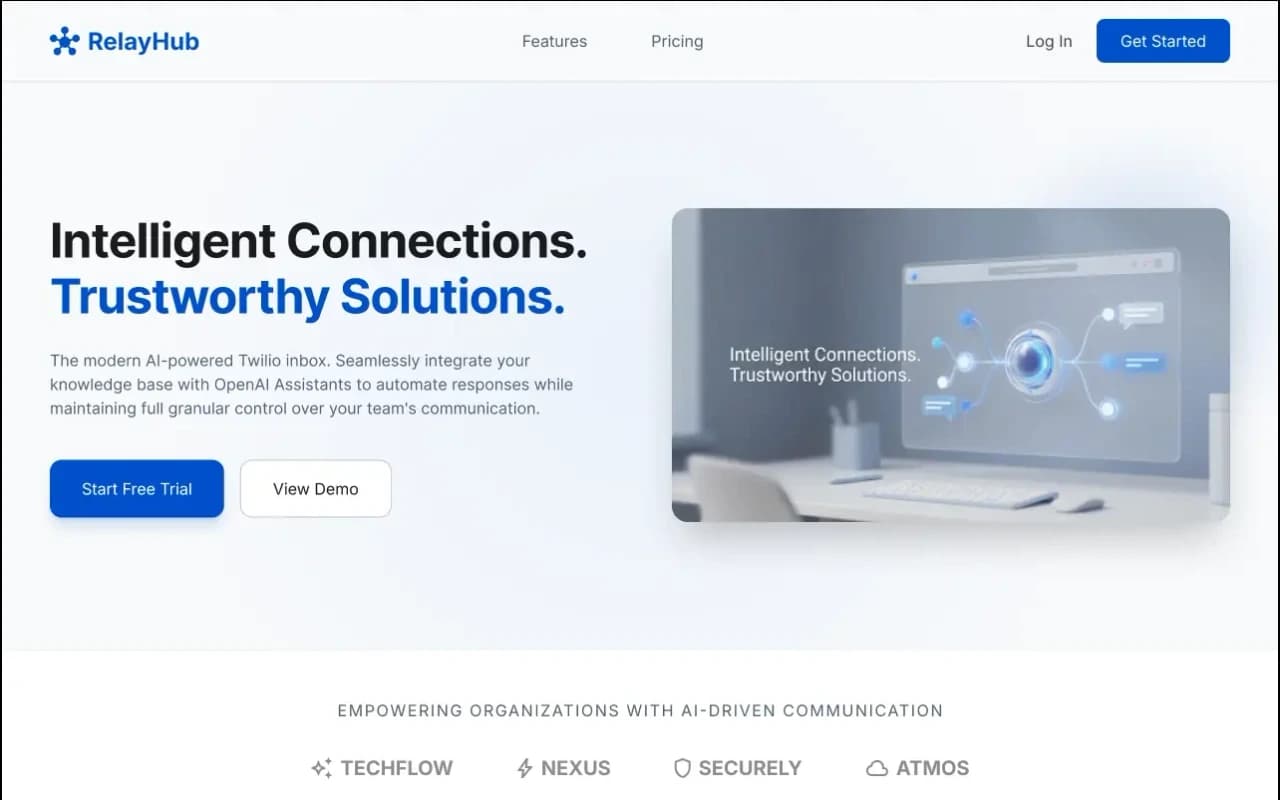
RelayHub AI communication portal case study
Twilio + OpenAI shared inbox
One triage view for Twilio phone and digital threads, with OpenAI drafts under admin prompts. Built for teams tired of rebuilding context across tools.

Loom & Luxe dress rental marketplace case study
Rentals, deposits, and return logistics
Editorial catalog with Stripe holds and automated return pickup. Lender dashboard keeps inventory and earnings honest for both sides.
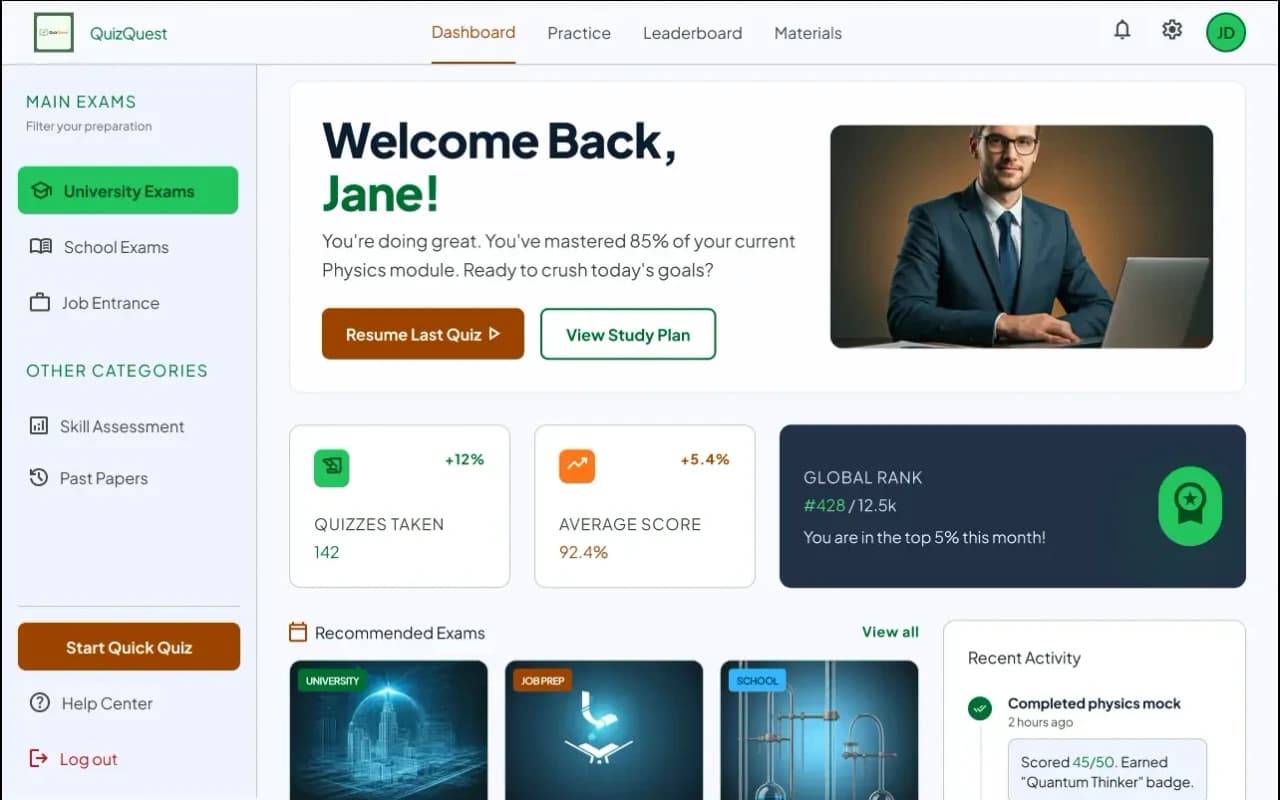
QuizQuest timed assessment platform case study
Timed quizzes + Question Creator
Timed MCQs with instant feedback, topic mastery profiles, and a Question Creator instructors can publish without waiting on engineering.
Questions
More on all insights, custom software, or contact Algo Vortex.