Cloud & DevOps
Cloud DevOps services for safer, routine releases
Make releases repeatable, observable, and easier to reverse. We build cloud foundations, CI/CD, and infrastructure automation on AWS, Azure, or GCP so your team spends less time fixing the release path.
How an engagement usually runs
Step 1
Assess and prioritize
Review architecture, pipelines, access, and incident history, then rank fixes by risk and delivery impact.
Step 2
Automate the path to production
CI/CD, infrastructure as code, and environment parity land so every change follows the same reviewed path.
Step 3
Observe and harden
Metrics, logs, traces, backups, and alert routes get wired with clear ownership and runbooks.
Step 4
Hand over or operate
Train your team, stay on a retainer for ops, or mix both while you hire. You choose the control plane.
When do releases and cloud ops need a real system?
Cloud DevOps services create a repeatable path from code change to production. They cover CI/CD, infrastructure as code, environment setup, monitoring, backups, and access controls. This work fits teams facing manual deploys, configuration drift, unclear cloud ownership, slow incident response, or infrastructure that depends on one engineer.
DevOps here means a delivery system: repeatable builds, reviewed infrastructure changes, secrets handled in vaults, and observability that shows what broke before your users do. If only one engineer can ship, you do not have a pipeline. You have a bottleneck.
Work covers greenfield cloud foundations, migrations off fragile hosts, and hardening of stacks that already run but scare everyone on release day. Startups and product teams both want quieter Friday deploys and a cost report someone can own.
What does a cloud and DevOps engagement include?
Typical work includes CI/CD pipelines, infrastructure as code, container platforms on ECS or Kubernetes, managed databases and caches, object storage, CDN and DNS, and monitoring with alerts that people actually respond to. Staging gets wired to mirror production closely enough that surprises shrink. If a service can only be tested in production today, that gap gets fixed before we call the path done.
Environment isolation, backup and restore drills, cost tagging, and least-privilege IAM matter so contractors and bots do not share a god-mode key. For product stacks like RelayHub and RouteMind, that means Dockerized services, sensible AWS layouts, and CloudWatch or Datadog signals tied to the paths that matter.
Migrations get a cutover plan, not a hope. Data moves, DNS changes, and rollback points get sequenced so you can reverse course if the night goes wrong. Documentation and diagrams stay with you when the engagement ends. Cost tagging lands early so finance can ask who owns a spike without a three-day archaeology dig.
How do you deliver cloud and DevOps work?
Inventory first: what you have, where risk sits, and a target path that matches team size. A three-person startup does not need the same platform as a regulated enterprise. Changes land behind pull requests. Diagrams and runbooks land with the console work so the next person can follow the path without archaeology.
Your engineers get trained to own the pipelines so you are not rented forever for button pushing. Ongoing ops on a retainer is an option. A clean handoff means scripts, access reviews, and a clear map of what alerts mean. When product work and ops collide, planning sits in the same thread as your app engineers so pipeline design matches how often you actually ship.
What stack do you use for cloud and DevOps?
AWS is the most common cloud here, with Azure and GCP when that is your home. Docker, ECS, EKS or other Kubernetes, Terraform or CloudFormation, GitHub Actions or similar CI, and Datadog, CloudWatch, or Sentry for signals. Secrets live in your vaults, not in chat logs.
Boring, documented patterns beat clever one-offs. Rollback paths get tested. Production access is audited. Cost anomalies get owners. If a fancy tool does not earn its keep for your team size, the answer is no. Tagging, budgets, and environment naming conventions get written down so the next hire is not guessing from tribal knowledge.
Which industries need this cloud work?
SaaS platforms, logistics systems with bursty load, fintech and healthcare workloads with stricter controls, and e-commerce peaks all need reliable cloud ops. Controls get tuned to your risk level instead of copying the same enterprise diagram onto every account. Peak traffic plans and quiet weekday ops can share one account when the foundations are sound.
Why hire Algo Vortex for cloud and DevOps?
Application engineers and DevOps on our side talk to each other, so pipelines match how the product actually ships. You are not stuck translating between a pure ops vendor and a pure build vendor. Clients keep us when releases get quieter and cost reports finally have owners. The first win is usually a deploy path anyone on the team can run without calling one person at midnight.
US, UK, UAE, and other international teams get overlap hours and NDAs when infrastructure access is involved. Foundation projects, staff augmentation, a dedicated squad, or an offshore development center all work. Review RouteMind, then contact us with your cloud setup, release pain, and recent incident history.
Technologies we use
Common industries: SaaS, Fintech, Healthcare, E-commerce, Logistics, Telecommunications.
Related case studies
Live products where this capability showed up in the build.
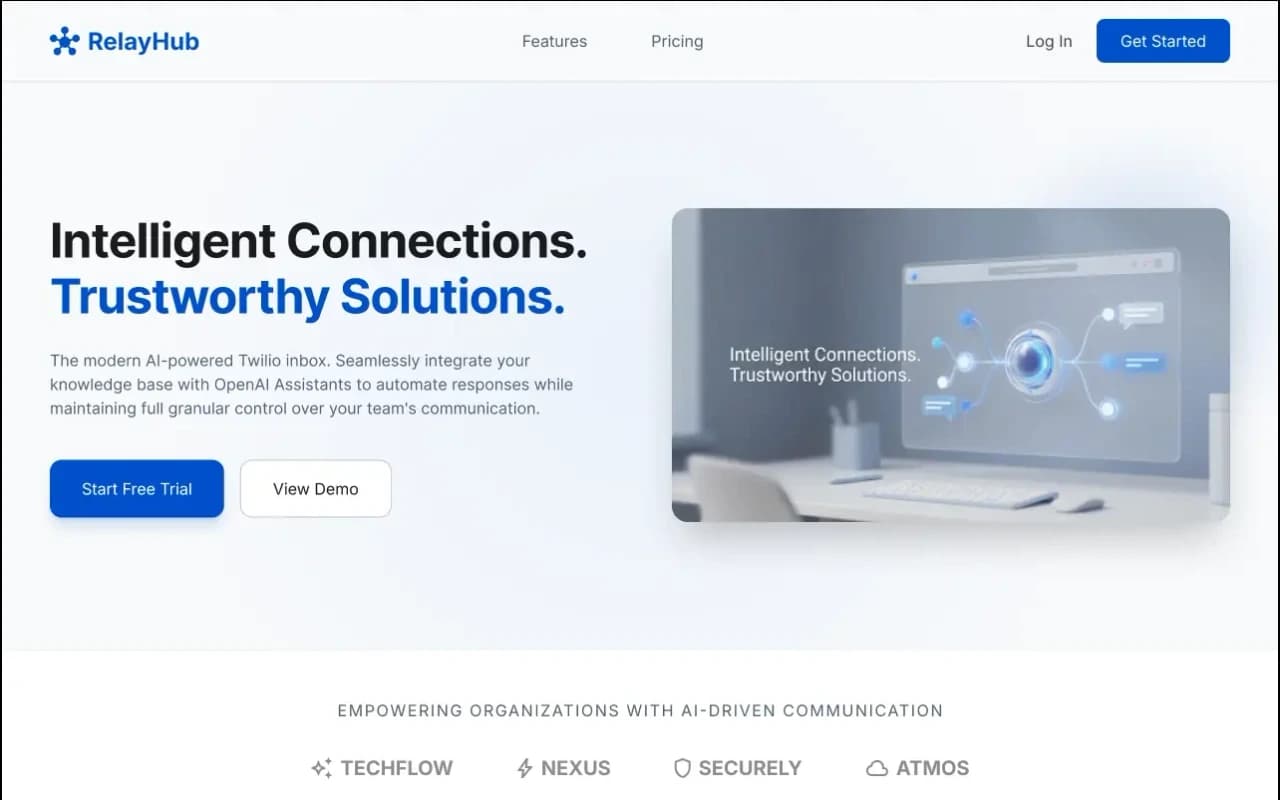
RelayHub AI communication portal case study
Twilio + OpenAI shared inbox
One triage view for Twilio phone and digital threads, with OpenAI drafts under admin prompts. Built for teams tired of rebuilding context across tools.
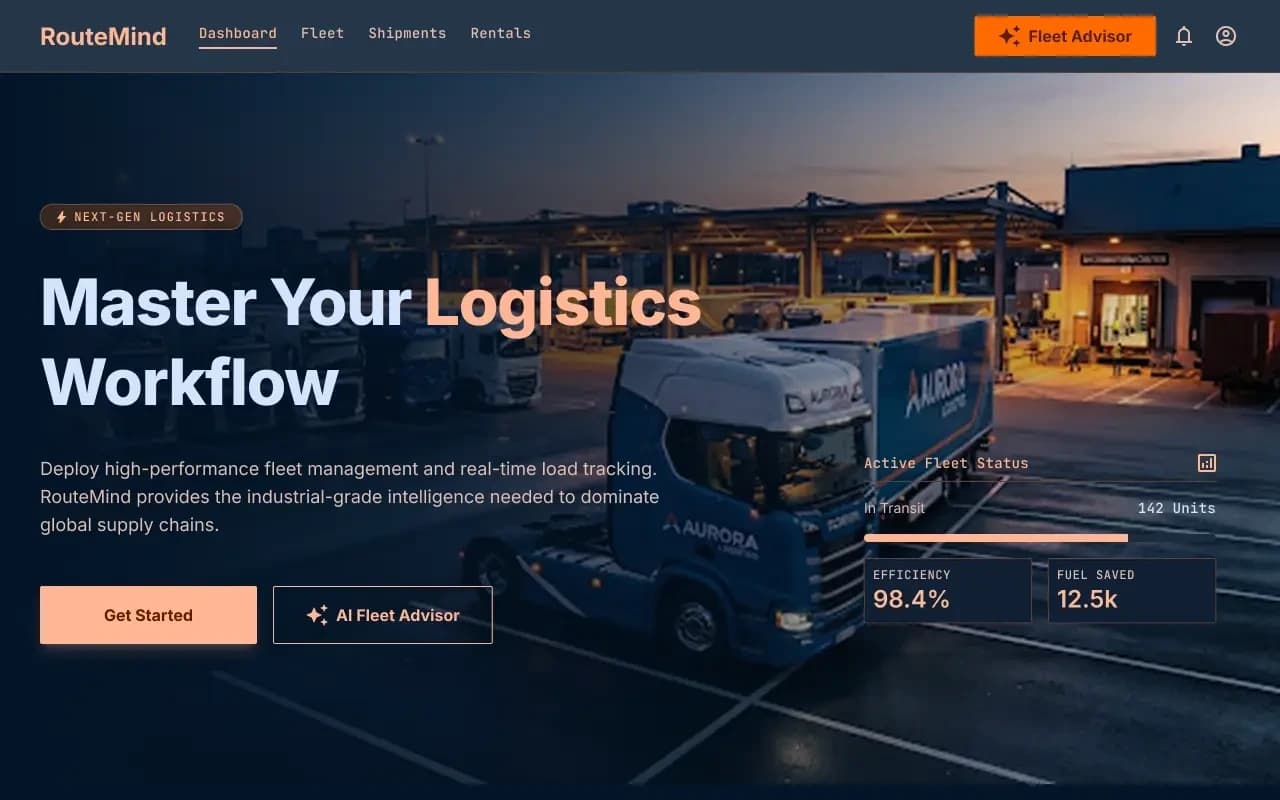
RouteMind AI fleet dispatch case study
AI Fleet Advisor + live load board
Shipper load board and fleet dashboard on one ops model, with an AI advisor that reads live capacity before suggesting the next move.
Related capabilities
- Custom Software DevelopmentFrom discovery through production releases, we build the systems your business actually runs on.
- QA & SecurityAutomated tests, performance checks, and security-minded QA so fewer surprises show up late.
- Staff AugmentationSenior engineers and QA who join your tools and rituals in days, not after a months-long hire.
Questions about this service
More engagement and IP questions live on the FAQ page. For a lasting dedicated unit, read the Offshore Development Center guide. Ready to talk? Contact Algo Vortex.